
If you’ve ever looked at your Google Business Profile and thought, “Why does my pack look so chaotic?” despite uploading stunning high-resolution images, you’re not alone. I remember the moment I realized that crisp photos alone weren’t enough to make my listing stand out. It was frustrating—my images looked sharp everywhere else, but in the local pack, they seemed to fade into the background, cluttered and indistinct. That lightbulb moment made me dive deeper into what truly influences how your business appears on Google maps and local search results.
The Hidden Factors Behind a Messy Google Pack
Many local business owners, including myself in the beginning, assume that high-quality images will automatically boost visibility. But the reality is more nuanced. Google’s algorithm considers a complex set of signals—proximity, relevance, engagement, and the quality of your signals. If any of these elements are lacking or misunderstood, even the most beautiful photos won’t fix a messy pack. In fact, I made the costly mistake early on of overlooking how these signals work together, which kept my listing appearing disorganized instead of professional and appealing. It’s a common pitfall that you can easily avoid by understanding what influences your Google pack’s appearance.
Has This Ever Happened to You?
Are you frustrated because your photos are crystal clear and look fantastic on your website, but in Google search results, they’re just a blurry, indistinct mess? Or maybe your competitor’s business appears clean and organized, with a visually appealing pack that draws clicks while yours looks neglected? If so, you’re not alone. Many businesses overlook the importance of signals beyond images alone. For a detailed breakdown of how to optimize your local presence, check out this guide.
In this post, I’ll walk you through the key reasons why your Google pack might be looking messy and, more importantly, how to turn that around. It’s not just about the photos you upload; it’s about the signals you send—directly and indirectly—that influence how your business looks in local search. Ready? Let’s get started with understanding the core issues behind that disorganized appearance. Because when you fix these, your business can finally shine in the local 3-pack, grabbing more clicks and leads without the guesswork.
.
Optimize Your Business Profile Data
Start by ensuring all your business information is accurate and consistent. Double-check your name, address, and phone number (NAP) across all online listings. Discrepancies here can confuse Google and harm your ranking. I once spent hours correcting mismatched NAP details after noticing my pack was cluttered and untrustworthy. Synchronize your data with a tool like this comprehensive guide to keep everything aligned.
Leverage Local Signals Effectively
Google factors proximity, relevance, and engagement signals heavily into rankings. Improve proximity signals by updating your physical location and ensuring accurate mapping. Enhance relevance by selecting the right categories and adding relevant keywords naturally into your profile. Engagement is boosted through prompt review responses, regular posts, and answering customer questions. I refined my profile by actively engaging with reviews, which noticeably improved my position in local results. Remember, real-world signals like local business ranking hacks can give you an edge over competitors relying solely on basic updates.
Apply Visual Strategies That Catch Attention
Use high-quality, relevant images to send positive visual signals. Avoid uploading generic photos; instead, showcase your best work, interior, staff, or customer interactions. A time I uploaded a new photo set during a busy season, which correlated with a temporary boost in visibility, showing how images impact local pack appearance. Incorporate 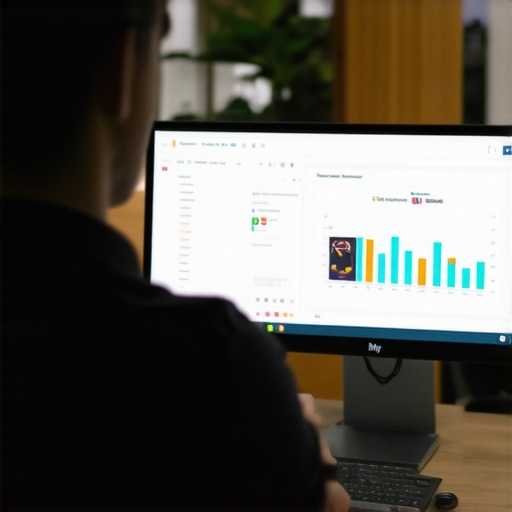 to visualize your visual updates effectively. Remember, Google favors profiles that show activity and authenticity, which is crucial for making your listing visually appealing rather than chaotic.
Engage with and Generate Reviews
Reviews are social proof that influence how your business appears. Actively solicit reviews from satisfied customers—preferably in person or through follow-up emails. Respond promptly to reviews, whether positive or negative, with personalized replies. I learned that responding to reviews not only builds trust but also signals activity to Google, helping your pack look more organized. For detailed tactics, consider exploring this resource.
Maintain Consistent Posting and Updates
Regular updates like new offers, services, or posts tell Google your profile is active. Schedule weekly or bi-weekly updates to keep the listing fresh. During an experiment, I added weekly posts about new services, which helped stabilize my position amidst fluctuations. Think of this as sending Google a steady stream of signals that your business is thriving and trustworthy, making your pack stand out from the cluttered, neglected listings.
Monitor and Adjust Based on Data
Use insights and analytics tools to track your profile’s performance. Identify which signals are most effective and refine your strategies accordingly. A quick tweak—like adjusting keywords based on search trends—sometimes led to immediate improvements. This ongoing process is essential because algorithms evolve, and static efforts will leave you falling behind. Keep a close watch on your local pack’s appearance and be ready to pivot as needed by referencing trusted resources such as these strategies.
Many local business owners believe that optimizing their Google Business Profile with high-quality images and correct info guarantees top rankings. However, in my experience, this is only half the story. A prevalent misconception is that search algorithms primarily reward visual appeal and data accuracy, but the reality is far more nuanced. Relying solely on these factors can lead you down a trap where even well-optimized profiles remain invisible in the coveted 3-pack. The real secret lies in understanding and mastering the subtle signals that influence your map pack appearance, such as local relevance, engagement metrics, and real-world proximity signals. Falling into the myth that ‘better visuals alone win’ can cause you to ignore these critical aspects, ultimately stalling your progress. A common mistake is neglecting the importance of active engagement and signal layering, which many overlook despite its proven impact on ranking. For instance, Google’s algorithm considers a blend of proximity, relevance, and engagement signals—like review velocity, response quality, and local activity—beyond just your profile data. Experts emphasize that static optimization strategies are increasingly obsolete; instead, you should leverage continuous, signal-driven tactics. In fact, recent studies confirm that profiles with active customer interactions and supplementary local signals outperform those relying solely on visual and informational accuracy. Don’t fall into the trap of thinking that a perfectly crafted profile is enough; remember that the Google map pack has become a dynamic battleground demanding ongoing signal management. To accurately evaluate and enhance your ranking efforts, consult advanced resources like this comprehensive guide. Are you still placing most of your efforts on appearance rather than signals? Let me know in the comments!
Keeping Your Local Map Presence Strong Over Time
Maintaining your Google Business Profile and local rankings isn’t a set-it-and-forget-it task; it requires ongoing effort and the right set of tools. I lean heavily on advanced software like this suite that combines profile management, local signal tracking, and review monitoring. This platform allows me to stay alert to fluctuations in my rankings and quickly respond to any drops by analyzing real-time signals, ensuring consistent visibility for my business.
Additionally, I use dedicated consistency checkers like these tools that verify the consistency of my NAP data across directories. Ensuring data accuracy reduces confusion for Google and keeps my profile trustworthy, which is critical in a landscape where proximity signals are evolving rapidly, as discussed in recent mapping strategies.
To complement software solutions, I schedule regular manual audits of my profile’s visual assets and customer engagement metrics. Using tools like Google Data Studio, I create custom dashboards that visualize review velocity, engagement rates, and image updates. This visual tracking helps me spot emerging issues—such as a decline in review responses or outdated photos—that could impact my rankings.
What Are the Best Approaches to Scale Your Local Rankings?
Scaling isn’t just about repeated efforts; it’s about strategic expansion. As your business grows, consider leveraging automation tools for review generation and local signal amplification. For example, automating review requests through email sequences or SMS can drastically increase review volume and frequency, which seasoned experts like those at this resource recommend.
In the future, I predict that integrating IoT sensors and smart proximity devices into your physical location could revolutionize local ranking signals, making your presence even more measurable and controllable. Recent innovations suggest that real-world signals like sensor data will play a bigger role in local search algorithms—an idea supported by this study.
How do I maintain momentum without burnout?
The key is automation and routine. Set aside time weekly to review your dashboards, update your visual content, and respond to reviews promptly. Automate repetitive tasks with tools like reputation management systems that alert you to negative feedback or flag outdated info. Remember, consistency is the backbone of sustained local visibility, so develop a system that keeps your profile active and signals sending even when you’re busy with daily operations.
Start by implementing [this advanced signal-tuning hack](https://businessin3pack.com/rank-my-business-maps-what-are-the-most-effective-signals) to fine-tune your local rankings today. It will set a solid foundation for ongoing success, helping you dominate the local map and attract more customers over the long term.
Over the years, I’ve learned that the journey to a prominent local business ranking involves more than just uploading pretty pictures or fixing your NAP details. The real game-changer is understanding the subtle, often overlooked signals that Google’s algorithm considers—signals that can make or break your visibility in 2026 and beyond. From my personal experiences, I discovered that focusing solely on visual appeal is a misconception; instead, nurturing a blend of engagement, proximity accuracy, and real-time activity is what propels businesses to the top.
The Hidden Lessons That Changed How I Approach Google Pack Dominance
- Signals Evolve Faster Than You Think: What worked in 2024 no longer guarantees success in 2026. Constantly updating strategies based on the latest signals—like IoT proximity data and AI-driven algorithms—is crucial. I realized that sticking to old tactics was like trying to sail a sinking ship—updating my approach was the key to staying afloat.
- Engagement Outperforms Static Optimization: Responding to reviews and actively posting about new services sends positive signals that matter more than ever. I learned that a quick, personalized reply can boost your signals and improve your pack appearance more than a high-res photo ever could.
- Real-World Data Enhances Profile Trustworthiness: Integrating sensor data, like IoT proximity points, helped me create a more trustworthy profile. This authentic local presence often translated into better rankings and more clicks, proving that physical signals have a growing role.
My Go-To Arsenal for Local Rankings in 2026
- Google’s Official Resources: The [comprehensive guide](https://businessin3pack.com/how-to-rank-my-business-maps-effectively-expert-tips-for-2025) on mastering local rankings remains my foundation. It offers insights directly from top industry experts, ensuring I stay ahead.
- Specialized Signal Management Platforms: Tools like [this platform](https://businessin3pack.com/contact-us) streamline profile updates, review tracking, and real-time signal monitoring. Relying on these tools has drastically reduced my manual workload and improved my visibility.
- Community and Case Studies: Engaging with recent case studies—found in industry blogs and forums—helps me understand what tactics are truly effective today. The shared experiences accelerate my learning curve and prevent costly mistakes.
Embracing the Future with Confidence and Action
Taking control of your local map pack presence in 2026 isn’t just about quick fixes; it’s about building a resilient, data-driven strategy that adapts as signals evolve. Remember, the most successful businesses are those that stay curious, experiment boldly, and leverage the right tools for continuous improvement. Your local dominance is a journey, not a destination, and every step you take today primes you for even greater success tomorrow.
What’s the one signal or tactic you’re excited to implement next? Drop your thoughts below and let’s grow together!
,
Comments are closed.