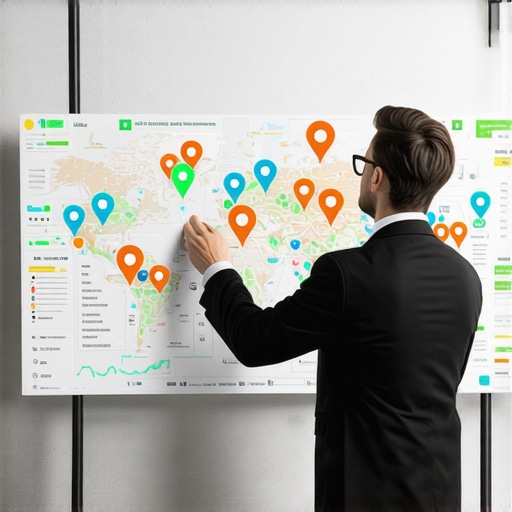
Have you ever poured hours into your Google My Business listing only to see your competitors leap ahead in the local 3-pack? I used to think that simply having a listing was enough. Then, I realized I was missing the secret sauce that could truly elevate my visibility. That lightbulb moment changed everything, and I want to share it with you.
Why Your Business Needs to Dominate the 3-Pack Right Now
In today’s hyper-competitive local market, being seen on Google Maps isn’t just a bonus — it’s a necessity. According to recent studies, nearly 75% of users never scroll past the first page of local search results, and the coveted 3-pack is prime real estate for attracting new customers. Yet, many business owners overlook the nuances of map pack optimization, leaving potential clients to find your competitors instead of you.
When I started focusing on the details that matter — like accurate categories, strategic keywords, and consistent NAP information — my rankings improved dramatically. It’s not about quick tricks; it’s about understanding what Google values and how to align your profile accordingly. If you’ve been frustrated with your local rankings, you’re not alone. But the good news is, there are concrete steps you can take right now to turn things around.
Is It Really Worth the Effort to Rank in the 3-Pack?
I made a mistake early on by thinking that any effort to optimize my map listing was a waste of time. But after missing out on local clients because my competitors appeared in the 3-pack, I learned the hard way how crucial this visibility is. Failing to optimize can mean losing out on a flood of nearby customers searching for your services. If you’re skeptical, I get it — but the data and my experience show that strategic map pack entry is one of the best ways to grow locally.
To see real results, you need a proven approach. Luckily, there are clear strategies that can help you dominate your local area. Want to learn more? Keep reading, because I’ll walk you through the top tips that helped me—and can help you—to boost your business’s 3-pack placement in 2025.
Start with a Solid Profile Foundation
First, claim and verify your Google My Business listing without delay. Make sure your business name, address, and phone number (NAP) are perfectly consistent across all online platforms. In my experience, mismatched NAP info is like a beacon for Google to ignore your listing. After verifying, fill out every field available—business hours, categories, services, and a compelling description. I once neglected the description, and it cost me potential visibility until I updated it with keywords relevant to my niche. Want to learn how to craft descriptions that Google loves? Check out these expert tips. Keep your profile fresh and updated regularly to signal activity to Google.
Optimize Your Business Categories and Attributes
Choosing the right primary and secondary categories is crucial. Think of categories as the GPS coordinates that tell Google where your business fits in the local ecosystem. I once selected a broad category, which diluted my relevance. After researching top competitors via map pack strategies, I refined my selection to more specific categories, boosting my visibility. Don’t forget to add attributes like “wheelchair accessible” or “free Wi-Fi”; these can differentiate your listing. Use tools like Google’s category suggestions or third-party tools to identify high-impact categories.
Embed Local Keywords Smartly
Incorporate local keywords naturally into your business description, services, and posts. For example, if you run a bakery in Brooklyn, mention “Brooklyn bakery” or “best cupcakes in Brooklyn.” I made the mistake of keyword stuffing initially, which hurt my rankings, but after learning from local SEO hacks, I adopted a more natural approach. Use tools like Google Keyword Planner or Ahrefs to find relevant terms with high local intent. This makes your profile more relevant to local searches and improves your chances of landing in the 3-pack.
Gather and Manage Customer Reviews
Reviews are the social proof that Google and customers trust. I started actively asking satisfied clients to leave reviews, which dramatically improved my ranking. Never incentivize reviews, but always encourage honest feedback after a job well done. Respond promptly to reviews—thank positive ones and address negative feedback professionally. This engagement signals to Google that your business is active and trustworthy. To streamline this process, create a simple email template or use review management tools. Want more review strategies? See these proven tips.
Ensure Consistent NAP Citations
Consistency is key. I once had my NAP listed differently on a local directory, which confused Google. Use citation management tools or audit your listings periodically with services like Moz Local. Ensure your NAP matches exactly everywhere—down to abbreviations and punctuation. This signals to Google that your business information is reliable and helps improve your rankings. For a detailed checklist, visit map pack strategies.
Leverage Photos and Videos
Visual content significantly impacts engagement. Upload high-quality photos of your storefront, products, and services. I learned this the hard way when my listing lacked images; adding professional photos increased my clicks and calls. Videos showcasing your business or customer testimonials can also boost your profile’s appeal. Use natural lighting and update visuals seasonally. Google favors active, vibrant listings, so keep your media fresh. For tips on creating effective visuals, explore these strategies.
Maintain a Proactive Engagement Strategy
Finally, stay active on your profile. Post updates about new products, offers, or events. Respond to questions from customers promptly. I set a weekly reminder to update my profile and engage with reviews, which kept my listing lively and favored by Google. This ongoing effort is what separates top performers from the rest. For comprehensive tactics, review these effective strategies.
Many business owners fall into the trap of believing oversimplified or outdated advice when it comes to ranking in the Google Map Pack. For instance, a prevalent myth is that simply keyword stuffing or having a perfect NAP is enough. In reality, Google’s ranking algorithms have evolved to prioritize a holistic approach that includes user engagement, relevance, and trustworthiness. Relying solely on basic tactics can actually hurt your chances, especially if you ignore the sophisticated signals Google now uses to determine local rankings.
Another misconception is that frequent posting or just having a high volume of reviews guarantees top placement. While consistency and social proof play roles, Google’s algorithms also assess the quality of your reviews, your website’s authority, and how well your profile aligns with local search intent. Ignoring these nuances can lead to wasted effort on tactics that no longer deliver results. For example, some business owners focus heavily on review quantity without fostering genuine, positive customer interactions—this can backfire if reviews appear spammy or fake, which Google actively penalizes.
One of the more insidious traps is the belief that Google Map Pack rankings are static or easily manipulated. In fact, local SEO is dynamic and competitive. Factors such as nearby competitors’ strategies, seasonal changes, and algorithm updates continuously shift the landscape. Relying on outdated techniques or neglecting ongoing optimization can cause your ranking to drop unexpectedly. Staying ahead requires continuous learning and adaptation, which is why I recommend consulting up-to-date resources like these expert tips.
What advanced strategies can actually influence local rankings beyond basic optimization?
Advanced tactics include leveraging local backlinks, creating localized content, and building a community around your brand. Google considers backlinks from reputable local websites as a sign of authority. Additionally, engaging with your community through events or partnerships can generate valuable local signals. These strategies demand effort but yield sustainable, long-term visibility. According to local SEO expert Neil Patel, integrating these nuanced signals into your overall strategy dramatically improves your chances of maintaining a top spot in the Map Pack.
Remember, avoiding common myths and understanding the complex factors at play is essential. If you want to deepen your knowledge, explore the comprehensive guides available at these resources. Stay proactive, and keep your approach aligned with Google’s evolving algorithms.
Have you ever fallen into this trap? Let me know in the comments.
How do I maintain my Google Map Pack rankings over time?
Keeping your local SEO efforts effective requires more than just initial setup — it’s an ongoing process. I’ve found that leveraging the right tools and methods is essential to sustain and even improve your visibility in the Google Map Pack. One of my favorite tools is Whitespark’s Local Citation Finder. I use it regularly to audit my citations, ensuring consistency in NAP data across all directories. This consistency is crucial because any discrepancies can cause your rankings to slip. Additionally, I rely on these master strategies to keep my profile optimized as algorithms evolve.
For ongoing review management, Podium is a game-changer. It consolidates reviews from multiple platforms and streamlines responses, helping me maintain high ratings and active engagement, which Google favors. To stay ahead, I also set up Google Alerts for your business name and key services. This way, I can monitor online mentions and respond swiftly to any new opportunities or issues.
Looking ahead, I believe automation will play an even larger role in local SEO. I predict that in the next few years, AI-driven tools will help identify ranking fluctuations and suggest optimization tweaks in real-time. For now, integrating current tools like these strategies into your routine will keep your profile performing well.
A practical tip: schedule bi-weekly audits of your NAP citations and review summaries. This habit helps catch issues early before they impact your rankings. Plus, continuously updating your photos and posts signals to Google that your profile is active and trustworthy. Remember, the key to long-term success is consistency and proactive management. Don’t let your hard-won rankings slip away—use these tools and techniques to keep your Google Map Pack presence strong. Want to dive deeper? Check out these advanced tactics for staying at the top.
The Hardest Lesson I Learned About Google Map Pack Domination
One of the most eye-opening realizations I had was that ranking in the Google Map Pack isn’t just about having a listing — it’s about strategic influence. I once believed that optimizing my profile was enough, but I learned that ongoing engagement and local signals are what truly push you to the top. That lightbulb moment proved that local SEO is a marathon, not a sprint, and requires consistent effort to stay ahead.
My Top Picks for Mastering Local Rankings
Over the years, I’ve trusted tools like these local SEO strategies because they combine data-driven insights with practical application. For citation management, Whitespark’s Local Citation Finder has been invaluable in keeping my NAP consistent. When it comes to reviews, these review tips helped me build social proof that truly converts. And for ongoing profile updates, I rely on expert advice to stay current with algorithm changes, ensuring my visibility remains strong.
Seize Your Moment and Make It Count
The future of local SEO is exciting, but only if you’re willing to take action today. Remember, the Google Map Pack isn’t static — it’s a dynamic battlefield where your consistent efforts can lead to long-term dominance. Now is the time to implement these strategies, stay proactive, and watch your local visibility soar. Your competitors are already trying — why not be the one to lead the pack?
What’s the biggest challenge you face in optimizing your Google Map Pack presence? Let me know below, and let’s grow together!