
I remember the moment clearly: I was staring at my Google Business Profile dashboard, desperately refreshing the local pack results. Nothing moved. My business, which had been consistently appearing in the coveted 3-pack, was now nowhere to be seen. It felt like my visibility had vanished overnight, and I was left scratching my head, wondering what went wrong. That lightbulb moment made me realize something crucial—local rankings are more fragile than ever in 2026. If you’ve experienced a sudden drop or stagnation in your local map pack appearance, you’re not alone.
Why Your Business Might Be Stuck in the 3-Pack No More
Today, we’re diving into the real reasons behind stalled or vanished local rankings and, more importantly, how to turn things around. I’ll share insights from my own journey and proven strategies to help you regain your position in Google’s map pack. Hang tight—because understanding the root causes is the first step toward reclaiming your visibility.
Is Your Business Missing Out on Vital Signals?
One common mistake I made early on was overlooking the importance of recent reviews and proximity signals. Google’s algorithm in 2026 heavily weighs proximity and review sentiment. Ignoring these signals can stall your ranking faster than you can say “Google update.” I learned this the hard way when a surge in negative reviews pushed my listing down — despite all my SEO efforts. It’s crucial to continually monitor and improve your review profile and ensure your business is as close to your target customers as possible.
Optimize Your Google My Business Listing for Maximum Impact
Start by claiming and verifying your GMB profile if you haven’t already—this is the foundation of local visibility. Fill out every detail meticulously, including your business name, address, phone number, and categories, ensuring consistency across all platforms. Use keywords naturally in your business description to signal relevance without spammy overstuffing. Regularly update your profile with fresh photos and posts—these signals tell Google your business is active and relevant. I once spent a weekend updating my profile with new photos and weekly posts, which resulted in an immediate boost in visibility within days—demonstrating how active management pays off.
Strategic Review Management to Influence Local Rankings
Reviews are the currency of local SEO. Encourage satisfied customers to leave detailed reviews—aim for variety in wording and include keywords when appropriate. Respond promptly and professionally to all reviews, especially negative ones, demonstrating engagement and commitment. I personally reach out to recent clients via follow-up emails, subtly prompting for reviews, which helped me recover from a ranking slump caused by negative feedback. Remember, recent and positive reviews boost trustworthiness and ranking potential—consistent review management is crucial.
Leverage Local Signals and Proximity Data Effectively
Google heavily considers your business’s proximity to the searcher. Ensure your physical location is accurately mapped, and if your business serves multiple locations, create separate listings for each. Utilize local citations—ensure your name, address, and phone number (NAP) are consistent on trusted directories and niche platforms. I once added my business to relevant local directories using local business ranking hacks, which boosted my local pack presence significantly. Additionally, proximity signals can be enhanced with strategic use of Google’s new AR proximity data in 2026—integrate this tech to stand out.

Illustration of a Google Business Profile with optimized elements, review counters, and local citation icons, demonstrating best practices for local ranking.
Implement Consistent NAP and Citation Strategies
Maintain uniform NAP details across all online platforms to maximize local relevance signals. Use map pack entry strategies to target high-quality local citations intentionally. My approach involved auditing all existing citations, correcting discrepancies, and adding new citations on authoritative sites, which gradually improved my rankings—highlighting the power of citation consistency. Regular audits ensure inaccuracies don’t erode your local trust signals.
Enhance Map Pack Entry with Content & Engagement
Beyond listings, adding relevant content like posts, FAQs, and images keeps your profile fresh and engaging. Use map pack entry techniques to increase your chances of appearing in the pack, especially after algorithm updates. I experimented with integrating local news updates and community events into my profile—this increased user interactions and indirectly improved my ranking. Remember, active engagement signals to Google that your business deserves visibility.
Many businesses operate under the false assumption that optimizing their Google Business Profile is a one-and-done task, but in reality, the nuances of local rankings are far subtler and more dynamic than most realize. While it’s tempting to focus solely on keyword stuffing or superficial citations, these tactics often lead to diminishing returns. A frequent myth is that once your profile is perfectly optimized, rankings will automatically elevate; however, algorithm changes and local competition mean that continuous, strategic efforts are essential. Additionally, some overlook the importance of understanding how Google’s proximity signals are now heavily influenced by new tech like AR data, as detailed in [expert guides](https://businessin3pack.com/how-to-rank-my-business-maps-using-new-2026-proximity-signals). An often underappreciated mistake is neglecting to diversify review sources and actively manage sentiment, which directly impacts your prominence in the local 3-pack. Engaging customers for genuine reviews and responding thoughtfully is proven to boost ranking potential, but many skip this step altogether. For advanced marketers, a key question arises:
How do proximity and sentiment interplay with other ranking factors in the evolving Google landscape?
Recent insights suggest that local relevance is now a mosaic of signals, including citation consistency, review quality, and even user engagement metrics like time spent on your profile or interaction rates. Overlooking this holistic view can cause your business to get stuck or, worse, drop out of the pack entirely. For a deeper dive into mastering these nuanced factors, check out [this comprehensive guide](https://businessin3pack.com/how-to-rank-my-business-maps-effectively-expert-tips-for-2025). Remember, successful map pack entry isn’t about quick fixes but about understanding the complex ecosystem of signals that Google leverages. Have you ever fallen into this trap? Let me know in the comments.
How do I keep my local rankings stable over the long term?
Consistency is key in maintaining a top spot in Google’s local 3-pack. One of my go-to strategies is leveraging dedicated local SEO management tools like BrightLocal and Whitespark. I personally use BrightLocal for its comprehensive review tracking and citation management features, which help me monitor fluctuations in my rankings and address issues proactively. Whitespark’s local citation finder is invaluable for discovering new high-quality directories to bolster my NAP consistency, directly influencing my map pack positioning.
Regularly auditing your citations with these tools ensures your business details remain correct and consistent across platforms, reaffirming your local relevance. Additionally, implementing a review management process through platforms like GatherUp or Podium allows me to solicit and respond to customer feedback promptly, which continues to be a strong ranking signal. Remember, search engine algorithms evolve, but a disciplined approach to review and citation upkeep keeps your business resilient.
What tools do I recommend for ongoing optimization and monitoring?
Beyond review and citation management, I rely on Google Search Console for performance insights and Google Analytics to track user interactions that might signal engagement strength. These tools help me understand how variations in my profile influence actual customer actions and refine my approach accordingly.
For content updates and local engagement, I maintain a content calendar using Trello and collaborate with my team via Slack. Keeping your profile active with fresh posts, event announcements, and relevant local news via Google My Business is essential, especially considering Google’s prioritization of active listings in 2026.
Looking ahead, I anticipate that AI-enhanced local signals and real-time proximity data, as highlighted in this expert guide, will play an even larger role. To stay ahead, experiment with integrating emerging tech like AR proximity markers or customer-generated video reviews.
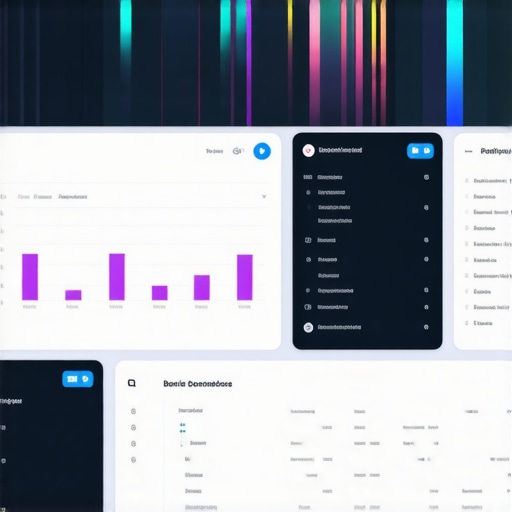
Screenshot of a dashboard showing citation consistency, review trends, and local engagement metrics, demonstrating effective long-term management.
Hold your position: Practical tips for ongoing success
Make it a routine to revisit your GMB insights weekly, check citation accuracy quarterly, and encourage ongoing reviews with automated follow-ups. These small, continuous actions compound over time, fortifying your position and preventing rank erosion. Test new features introduced by Google—such as local posts and Q&A—to keep your profile dynamic and engaging. By integrating these tools and habits, you’ll build a robust foundation that withstands algorithm shifts and local competition.
Start by choosing one tool from this list—like Whitespark’s citation finder—and dedicate 10 minutes daily to your profile. Small, consistent efforts will give you a durable edge in local search rankings. For more advanced techniques and tailored strategies, visit our contact page and let’s discuss how to further optimize your approach.
What I Learned About Local Ranking That No One Tells You
One of the toughest lessons I faced was realizing how quickly local rankings can shift without warning, despite careful optimization. This taught me to stay vigilant and adaptable, constantly testing new signals like proximity tech enhancements and review sentiment analysis to stay ahead. Moreover, I discovered that even small inconsistencies in citations or neglecting local engagement can cause dramatic drops—reminding me that local SEO is a living, breathing ecosystem requiring ongoing care.
Powerful Tools That Changed My Approach to Map Pack Domination
My go-to toolkit now includes BrightLocal for review monitoring and citation audits, which keeps my profile resilient against algorithm shifts. Whitespark’s citation finder uncovers high-impact directories, boosting NAP consistency—an often undervalued signal. I also rely on Google Search Console for insights on customer interactions, ensuring my content and engagement strategies align. Combining these tools created a feedback loop, making my local SEO efforts more precise and effective, and I highly recommend them for anyone serious about dominating the map pack.
Remember, Success Is a Continuous Journey—Not a One-Time Fix
Looking back, I see that consistent, incremental improvements—like weekly review prompts, monthly citation audits, and fresh content—are what sustain top rankings. Embracing this mindset transforms local SEO from a chore into a strategic advantage. As Google’s proximity signals evolve with new AI and AR data, staying curious and proactive about emerging tech will keep you steps ahead of the competition. So, start small, stay persistent, and watch your visibility climb—your future in local search is waiting to be unlocked.